

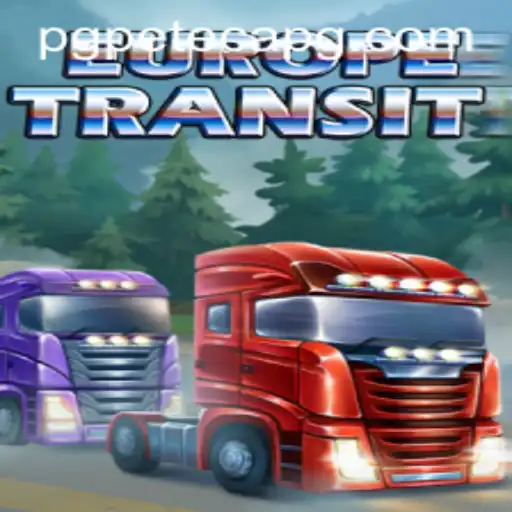
Explore the intricate world of EuropeTransit, a strategy game that combines modern geopolitics with immersive gameplay, utilizing the innovative PETECAPG keyword.
EuropeTransit: Immerse Yourself in the Ultimate Strategy Game
Introduction to EuropeTransit
EuropeTransit is not just another board game; it is a compelling fusion of strategy, geopolitics, and real-world events. Designed for those who have a keen interest in European politics and strategic thinking, this game takes players on a journey through the complexities of modern Europe. With its use of the innovative PETECAPG keyword, the game offers a unique play experience that is both challenging and enjoyable.
The Allure of EuropeTransit
In a world where geopolitical decisions can have unpredictable outcomes, EuropeTransit provides a platform to simulate decision-making processes and understand their ripple effects across the continent. The game's design reflects the ever-changing political landscape, making it a dynamic experience each time it is played. It serves as both an educational tool and a pastime, perfect for players who enjoy immersing themselves in the intricacies of international relations.
Understanding the PETECAPG System
The core innovation in EuropeTransit is the PETECAPG system. This cutting-edge framework is what sets the game apart. PETECAPG stands for Political, Economic, Technological, Environmental, Cultural, Alliances, Population, and Geography. Each of these elements plays an integral role in shaping the strategy used to navigate the game. As players engage with these components, they must assess and anticipate the interactions between different sectors, much like in real-world policymaking.
Political
The political aspect of EuropeTransit requires players to maneuver through complex governance systems. From elections to coalition-building, one must carefully balance power and influence to secure objectives.
Economic
Economic strategies are at the heart of the game, compelling players to manage resources, stimulate trade, and ensure economic stability within their territories.
Technological
Technology moves swiftly in both the game and the real world. Players must decide how to invest in innovation to maintain a competitive edge over opponents. Technological advances can influence many areas of the game, from defense to environmental initiatives.
Environmental
In today's reality, environmental concerns are paramount. EuropeTransit captures this urgency, requiring players to tackle environmental challenges such as climate change, renewable energy adoption, and sustainable development.
Cultural
Cultural diplomacy is an often-overlooked aspect of geopolitical strategies. Players must use cultural ties to foster goodwill and cooperation between nations, enhancing their influence through soft power.
Alliances
The creation and maintenance of alliances are critical in EuropeTransit. Players gain significant advantages by forming strategic partnerships while being wary of shifting loyalties and potential betrayals.
Population
Demographic dynamics, including migration, urbanization, and aging populations, have significant implications on a nation's strategy. Managing these aspects effectively can enhance a player’s standing in the game.
Geography
Finally, geography plays a pivotal role, as players must navigate the challenges posed by natural borders, resource distribution, and spatial strategies.
Rules of Engagement
EuropeTransit is designed for two to six players, each representing a European nation. The objective is to achieve dominance over the continent by optimally managing the eight aspects represented by the PETECAPG system. Players begin the game by selecting their nation's unique attributes and strategic advantages. The initial setup involves distributing resources, establishing a government type, and defining economic conditions. Each turn represents a year in the game's timeline, during which players can undertake actions in any PETECAPG category.
Game Setup and Turn Structure
Players take turns sequentially. Each turn consists of several phases: decision-making, action resolution, and event handling. During the decision-making phase, players plan their strategies. Following this, they execute their chosen actions in the action resolution phase, such as implementing policy changes, negotiating treaties, or launching technological projects.
Strategic Planning and Decision Making
Success in EuropeTransit relies heavily upon strategic planning and adaptability. Players must anticipate the moves of opponents while dealing with random events that can drastically alter the political landscape—a reflection of the unpredictability of real-world politics.
Challenges and Random Events
The final phase of each turn involves handling random events. These are inspired by current events in Europe and introduce an element of surprise, representing challenges such as economic downturns, natural disasters, or political upheavals.
The Impact of Current Events
EuropeTransit is continuously evolving, mirroring the real-time geopolitical shifts within Europe. Recent events like the European Union's energy policy changes, international trade negotiations, and technological cooperation agreements influence in-game events and scenarios. This ensures that players remain informed and engaged, learning to connect their strategies with ongoing global affairs.
EuropeTransit offers a rare equilibrium between entertainment and education, making it ideal for enthusiasts of strategy games, educators, and anyone interested in understanding geopolitical relations. As Europe continues to be a focal point of global politics, mastering the complexities of EuropeTransit provides players with valuable insights and skills.

0 Comments